Pingalax South ASIA 30KW DC EV Charger
PINGALAX South ASIA 30KW DC EV Charger: Bridging the Power Gap
The electric vehicle (EV) revolution in South Asia—encompassing rapidly growing markets like India, Indonesia, and Thailand—faces unique challenges, notably unreliable grid infrastructure, space constraints, and high land acquisition costs. The PINGALAX South ASIA 30KW DC EV Charger is specifically engineered as a pragmatic and highly effective solution to meet these regional demands.
Unlike ultra-fast chargers designed for developed economies, the 30kW output strikes a crucial balance. It provides genuine DC fast charging speeds, significantly reducing charging time compared to common AC Wallbox units, which is essential for commercial fleets (like three-wheelers and local logistics vans) and ride-sharing services that require quick turnaround. However, its moderate power level minimizes the instantaneous load impact on often-fragile local distribution networks, avoiding the need for costly and time-consuming substation upgrades required by 600kW DC stations.
Designed for Resilience and Deployment
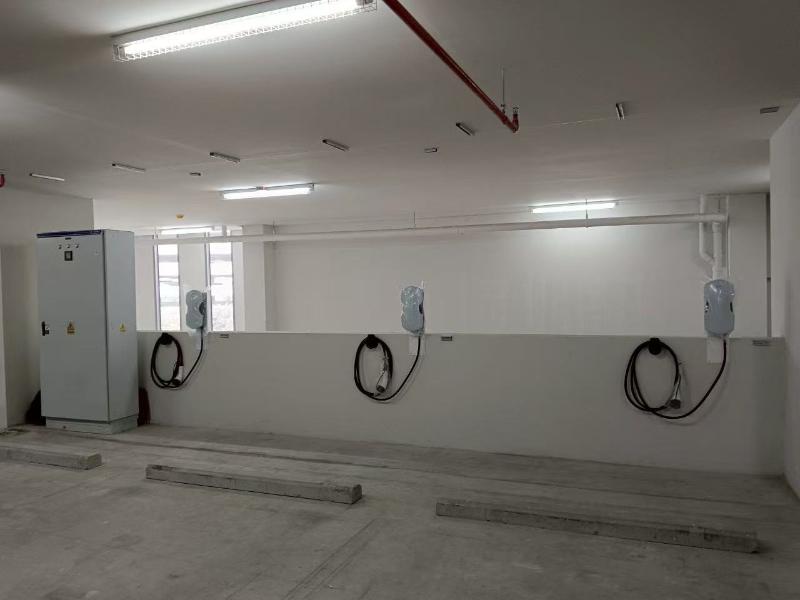
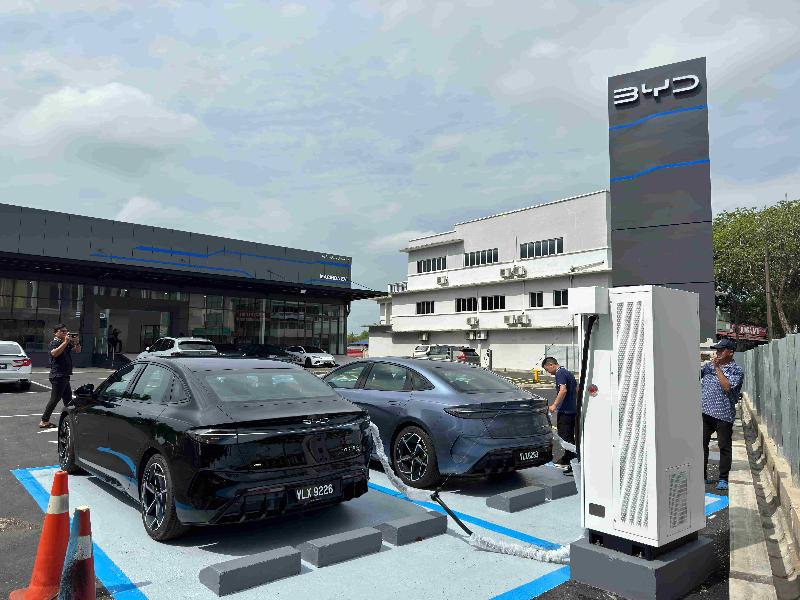
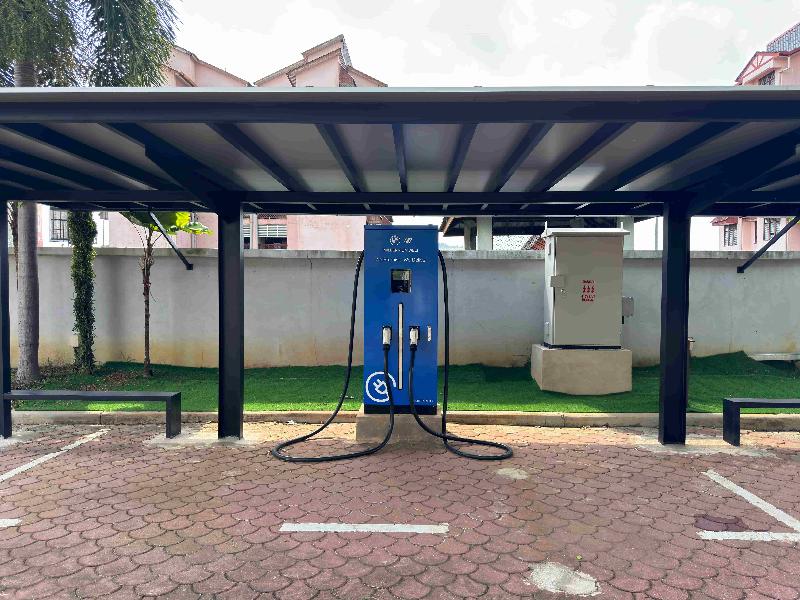
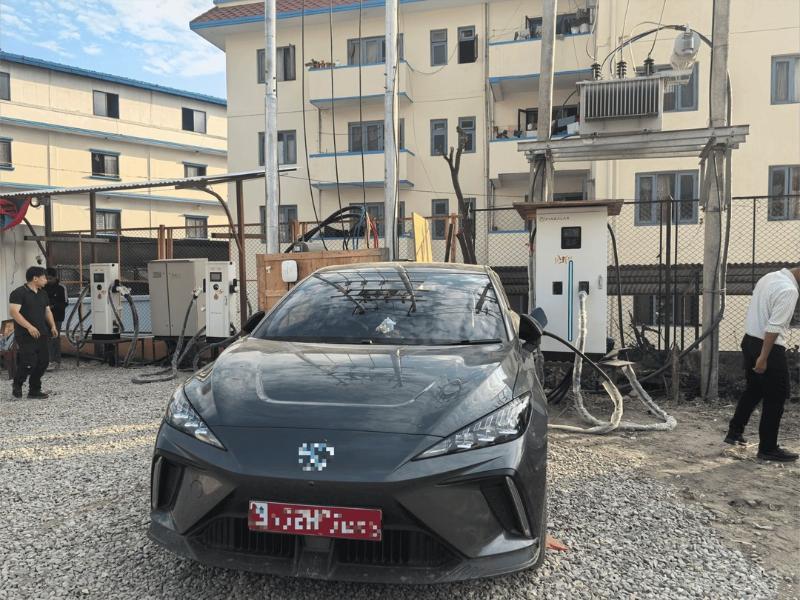
The PINGALAX 30kW unit’s robust design is tailored for the tropical and often challenging South Asian environment. It features a high protection rating, guarding internal EVSE components against dust, humidity, and voltage fluctuations common in the region. Its compact, modular form factor makes it ideal for dense Urban Charging Solution deployment, where space is a premium. It can be easily integrated into existing commercial parking lots, residential complexes, and even petrol stations, addressing the critical availability of charging stations that is currently a major deterrent to EV adoption.
Furthermore, this charger supports the latest communication protocols, including OCPP 2.0.1. This capability allows network operators to implement advanced features like Dynamic Load Balancing (DLB) when multiple units are installed, ensuring fair power distribution without tripping the local power supply—a major operational advantage.
The PINGALAX South ASIA 30KW DC EV Charger is positioned as the smart, reliable workhorse of the region's charging build-out. By providing reliable DC speed with minimal grid disruption and offering efficient management through OCPP, it helps bridge the gap between burgeoning EV adoption and the infrastructure needed to sustain it.